
Women Community
Background
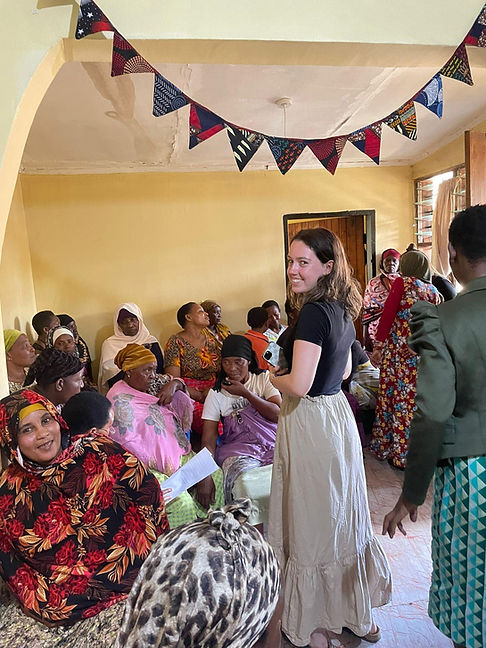
Once a month, Unapendwa offers training courses for women on topics such as business management, financial literacy, and teamwork. Through these business training sessions, women with similar interests have formed groups to specialize in specific areas. Unapendwa supports them by providing foundational knowledge and helping them overcome initial challenges.
The Unapendwa Women Community consciously focuses on supporting groups rather than individuals. We are convinced that teamwork and cooperation are essential skills that lead to greater independence and self-reliance. Thanks to their solidarity, groups can more easily overcome crises and obstacles. At the same time, they foster the exchange of knowledge and experience, which enables the development of new ideas and solutions.
The group members motivate and support each other, thereby strengthening the resilience of each individual. Furthermore, collaboration allows for more efficient use of resources and the implementation of larger projects that would often be unattainable for individuals. In addition, it strengthens the sense of belonging and social bonds, which is invaluable, especially in challenging times.
Sewing Class
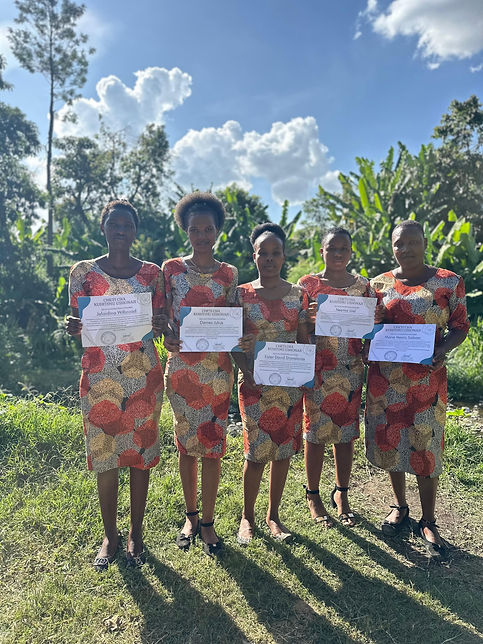
Unapendwa's sewing course offers women in the community a valuable opportunity to acquire new skills and expand their career prospects. The course runs for six months and takes place three mornings a week. It is led by our experienced and dedicated sewing instructor, Elizabeth, who not only imparts technical knowledge but also motivates and individually supports the participants.
During the course, the women learn both basic and advanced sewing techniques and gain practical insights into working with various materials. The aim of the program is not only to teach practical sewing skills, but also to empower the women to apply and further develop these skills independently.

Sewing Group
After completing the program, the women have the opportunity to become self-employed as individuals. At the same time, they are encouraged to form groups and build businesses together. This is based on the strength of communities: groups are more resilient to challenges and can better overcome obstacles through teamwork, cooperation, and collective effort.
These groups continue to be supported by Elizabeth, who visits them once a week to answer questions and provide guidance and support. This ensures that the women not only get off to a successful start but also benefit in the long term from a stable foundation built on collaboration and ongoing mentorship.
Kuku Group
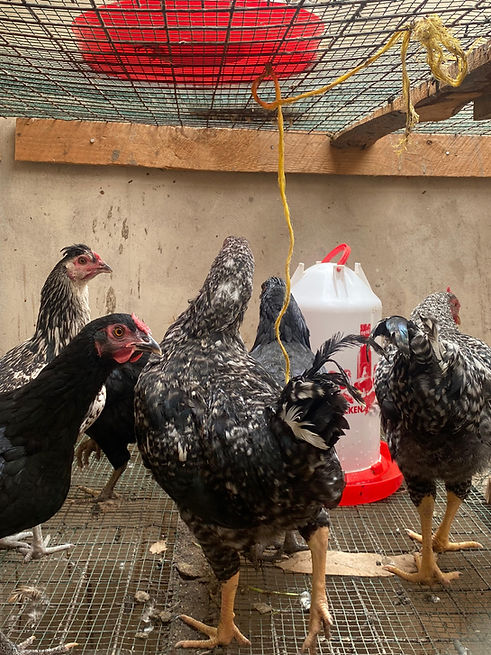
The Kuku group was also formed as part of the general business training. It brought together women from the community who shared a common interest in livestock and poultry farming. As a group, they received specialized training and, with the support of volunteers, were able to make essential investments – including the construction of a chicken coop, the purchase of their first chicks, feed, and an incubator. The current chicken coop is located on the property of one of the Kuku group members.
The women at Unapendwa meet once a week to discuss current topics, successes, difficulties and challenges, and to reflect together on how Unapendwa can continue to provide support.
The aim is to expand and develop the women's business on a stable foundation, to cover ongoing costs through the sale of animals and eggs, and at the same time to generate an income that enables the women to cover their own living expenses.

Shanga Group
The Shanga group initially struggled to define their interests and find a common focus. However, through various offerings and methods, the group eventually agreed to work with beads. These are used to make jewelry or decorate clothing.
Currently, the group is receiving training in this field, learning the fundamental techniques and skills of beadmaking. The long-term goal for the women is to work independently and use their acquired knowledge to grow and establish themselves in this craft.
The work should not only provide them with a stable source of income, but also create space for creative potential and enable them to tap into new markets. In this way, long-term success and the strengthening of their independence should be promoted.
Discover our other projects

The "Bags & More" project was the starting point for Unapendwa and provides three seamstresses and a team leader with secure jobs and a steady income – the foundation for a self-determined life for them and their families. The sales revenue not only covers their salaries but also contributes to the organization's operating costs.
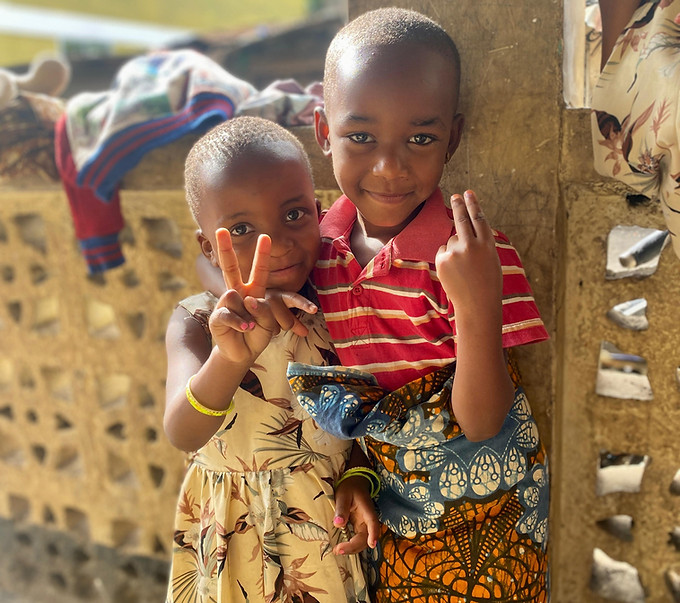
The Girls Empowerment Program (GEP) supports girls during the challenging transition to adulthood through education, practical skills, and personal mentoring. In small groups, key topics such as puberty, menstruation, mental health, protection from violence, and future planning are addressed. The program is complemented by activities like English lessons and sewing reusable sanitary pads. The GEP aims to break down taboos, build trust, and empower girls to lead self-determined, informed, and confident lives.