
Bags & More

Background
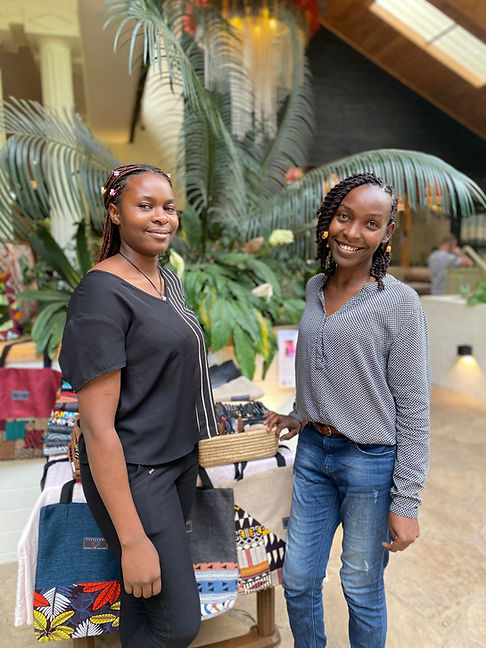
Bags & More was the first project with which Unapendwa began its journey. Today, we employ three seamstresses and a team leader who coordinates all sewing activities. Through this project, the women have secure employment and a reliable income, enabling them and their families to lead self-determined lives. Bags & More not only provides stability in the women's daily lives but also strengthens Unapendwa's financial independence and future security.
Sustainability
The revenue from sales covers not only salaries but also essential running costs such as fabrics, rent, and even food. Sustainability is particularly important to us: Our bags are made from traditional African fabrics, and even small fabric scraps are thoughtfully reused in the production of wallets. We also buy secondhand jackets, which are creatively upcycled by combining them with African fabrics.

Markets
To be less dependent on donations and to cover running costs, Unapendwa participates in various markets:
-
STEP Hostel: Once a month, Unapendwa organizes a one-hour mini-market at the STEP hostel.
-
Njiro Market: On every second Saturday of the month, Unapendwa sells its products all day at the Njiro Complex - together with other NGOs.
-
Kitamu House: Every second Friday, Unapendwa is present at Kitamu House from 2:00 PM to 11:00 PM, where music and dance evenings create a lively atmosphere.
Furthermore, Unapendwa is constantly looking for new markets and opportunities to increase the visibility of its products and reach more people.
Products
-
Bags
-
Denim jackets
-
Fanny packs
-
Cosmetic bags
-
Cushion covers
-
Pennant banners
-
Reusable cloth pads
-
and much more.


Cloth Pads
The team also produces reusable menstrual pads, which are distributed to the girls in the Girls Empowerment Program (GEP). In addition, these pads can be purchased by other organizations, schools, or individuals who would like to support the initiative.
In this way, many girls receive not only urgently needed hygiene products and essential knowledge, but the income generated from sales also helps to cover part of the production costs. This ensures the long-term production of sanitary pads and makes a positive contribution to the empowerment of girls.
The sanitary pads are made from used towels purchased at the secondhand market in Arusha. This decision is not only cost-efficient but also environmentally friendly, as it provides a sustainable alternative to new fabrics and materials.
Discover our other projects

This project empowers and enables women through free business training and targeted support. Unapendwa supports specialized women's groups, in fields such as chicken-raising, shanga (beadwork), and sewing groups, providing them with knowledge, practical skills and necessary materials to promote their economic independence.
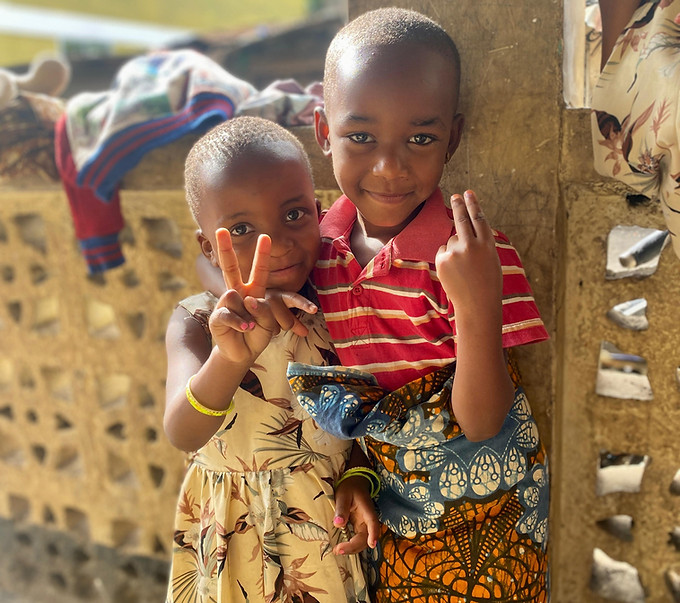
The Girls Empowerment Program (GEP) supports girls during the challenging transition to adulthood through education, practical skills, and personal mentoring. In small groups, key topics such as puberty, menstruation, mental health, protection from violence, and future planning are addressed. The program is complemented by activities like English lessons and sewing reusable sanitary pads. The GEP aims to break down taboos, build trust, and empower girls to lead self-determined, informed, and confident lives.